Perfis

Leonardo Labriola (L. Labriola) is a Brazilian visual artist, art educator, and independent researcher. Born in Bom Jesus dos Perdões, in the state of São Paulo, he currently lives and works in Ilhabela, Brazil.
He holds a technical degree in Interior Design from SENAC and a teaching degree in Visual Arts from FAAT. He also studied Graphic Design at Mackenzie Presbyterian University. Since 2023, he has worked as an art teacher, developing educational practices that connect visual culture, music, philosophy, and the creative experiences of young people.
Labriola began his artistic practice between 2016 and 2017, participating in group exhibitions before entering a period of interruption and research. He resumed painting in late 2025, initiating a new phase marked by the relationship between image, memory, symbolic experience, and philosophical investigation.
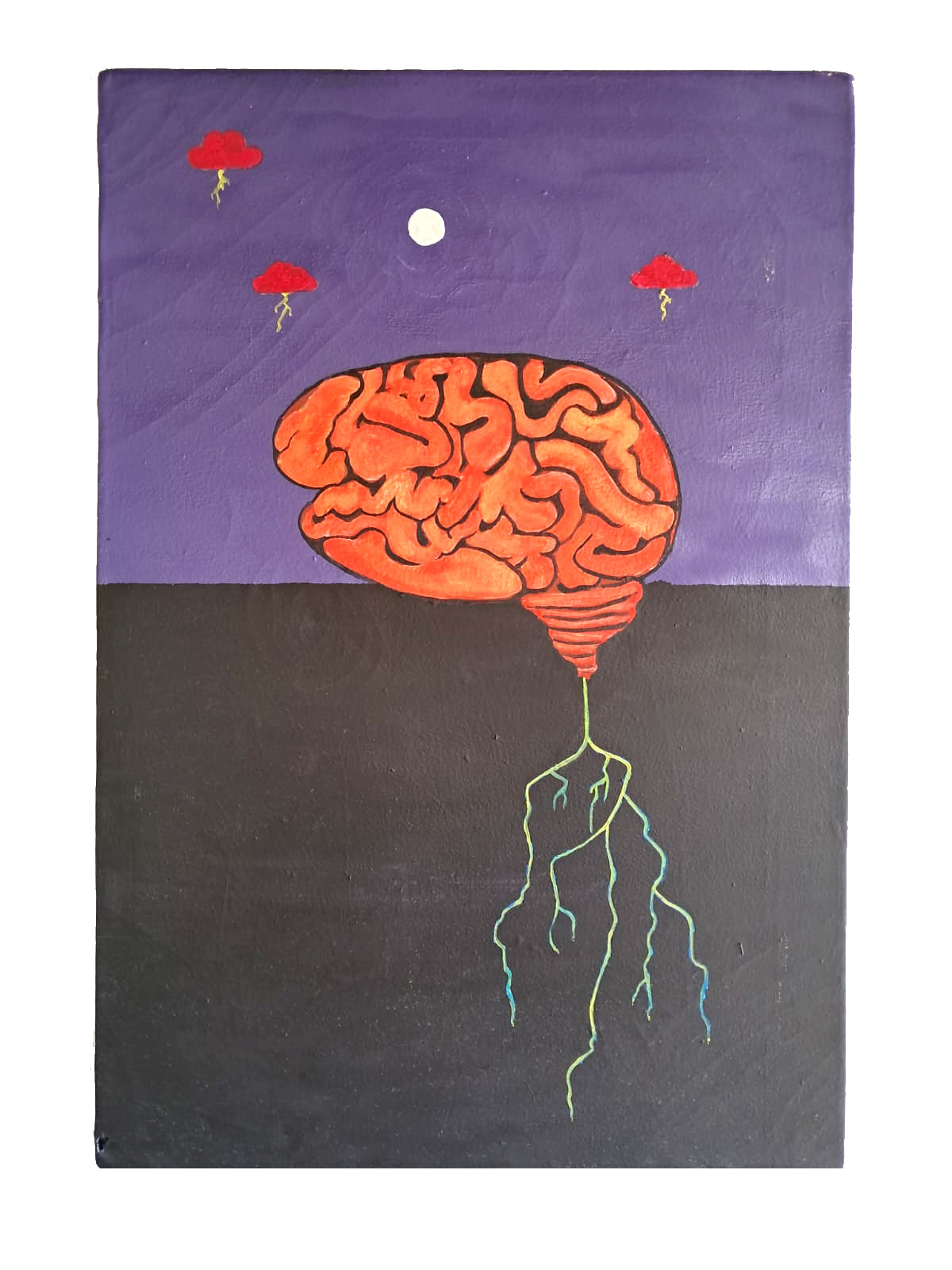
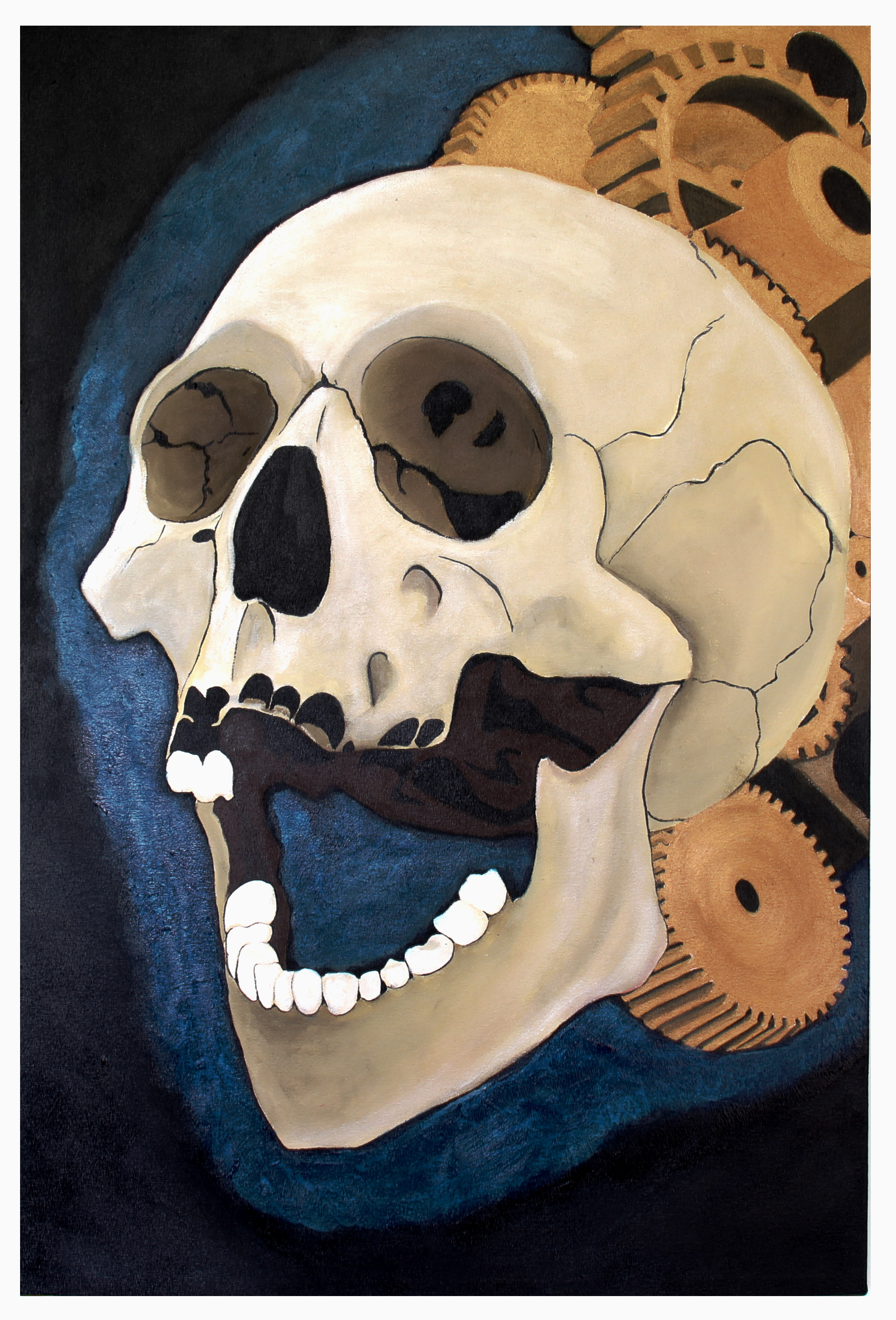
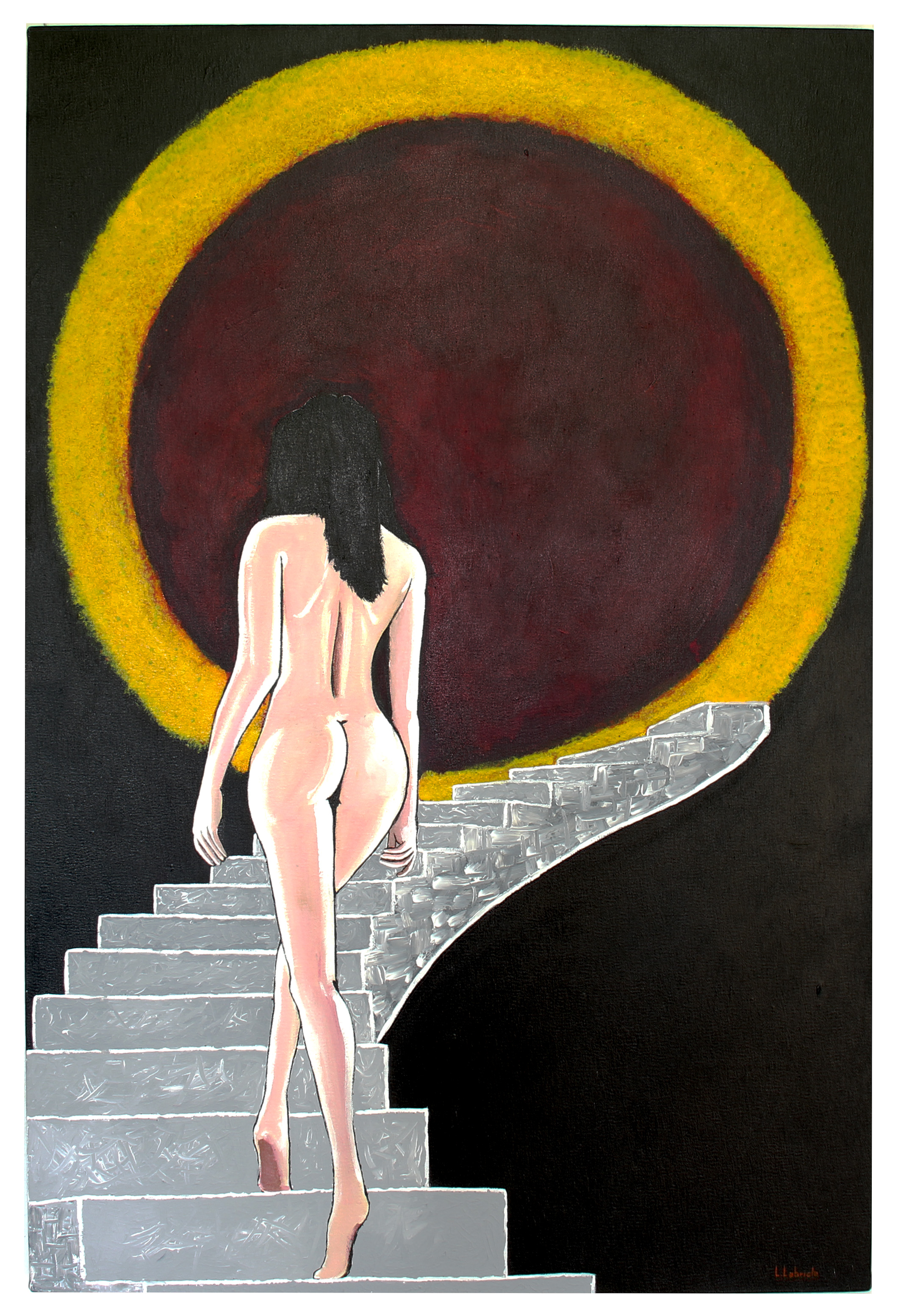
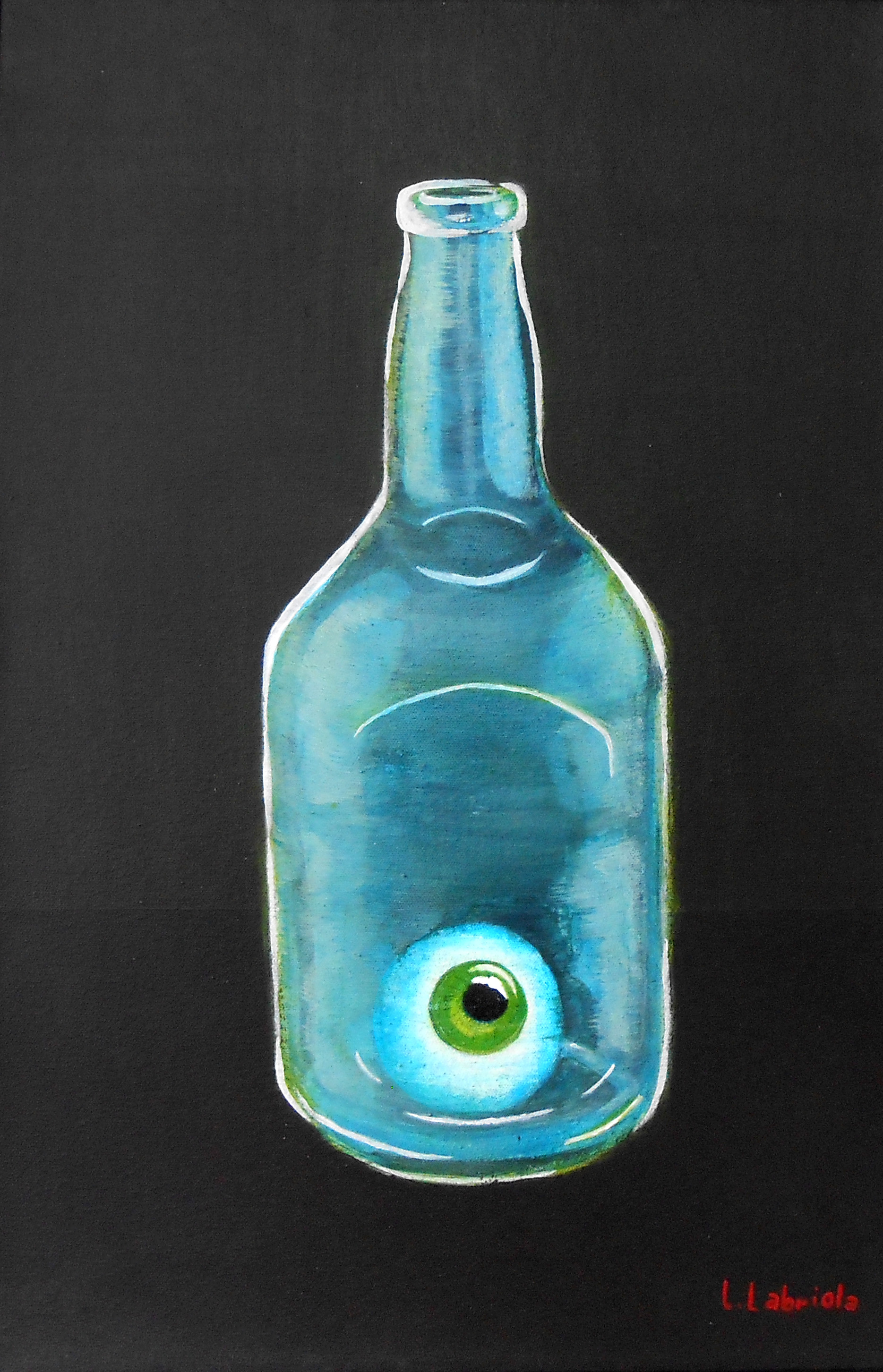
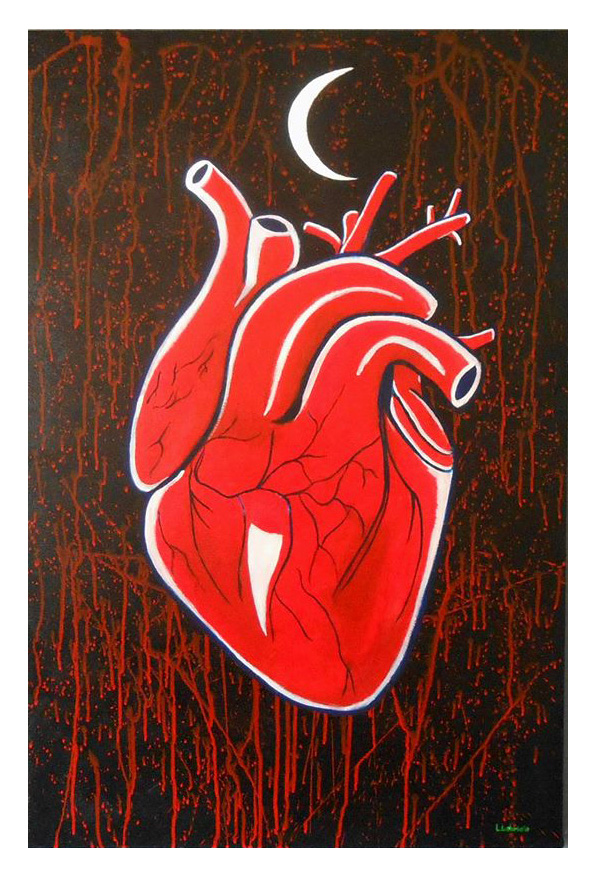
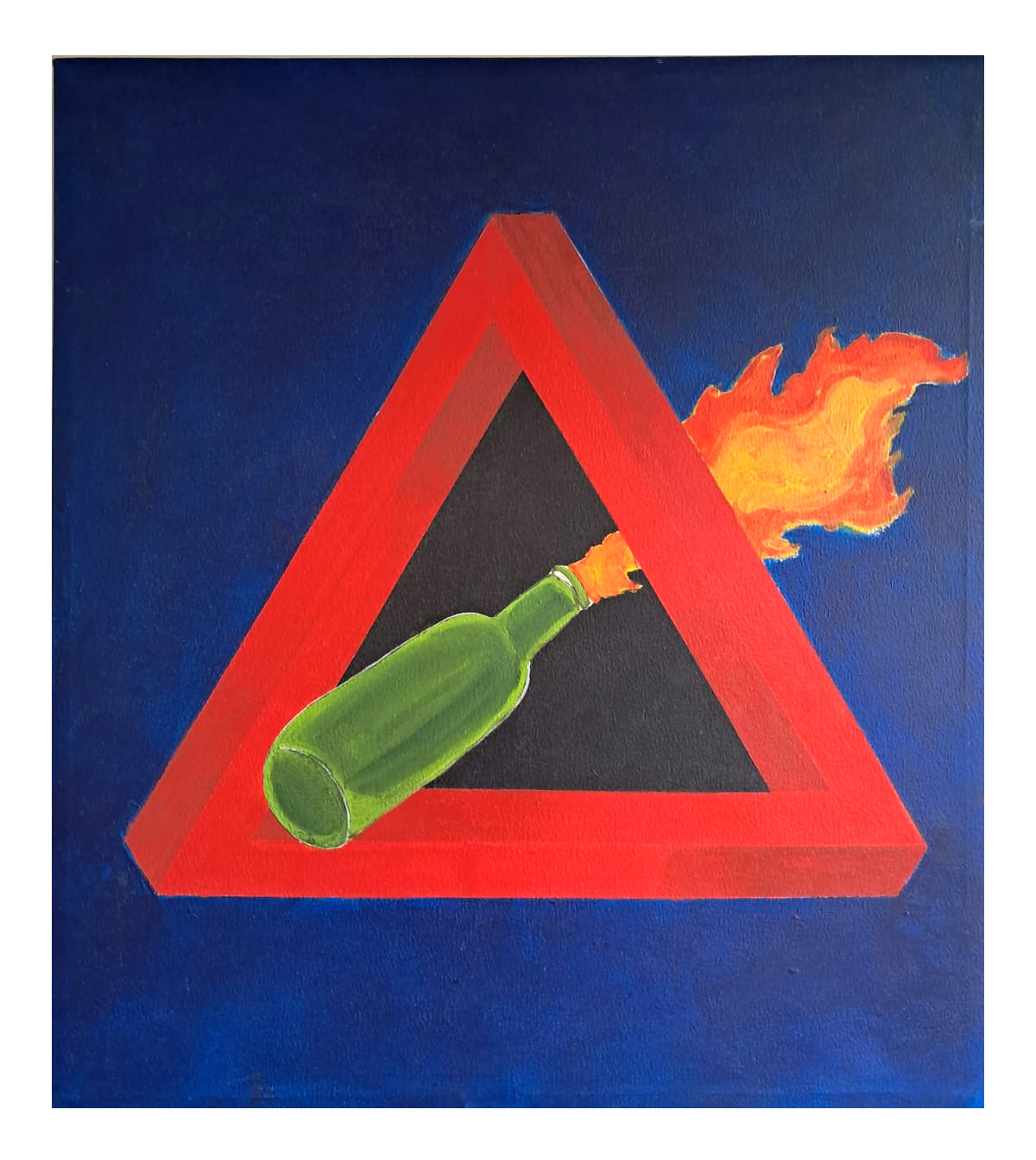
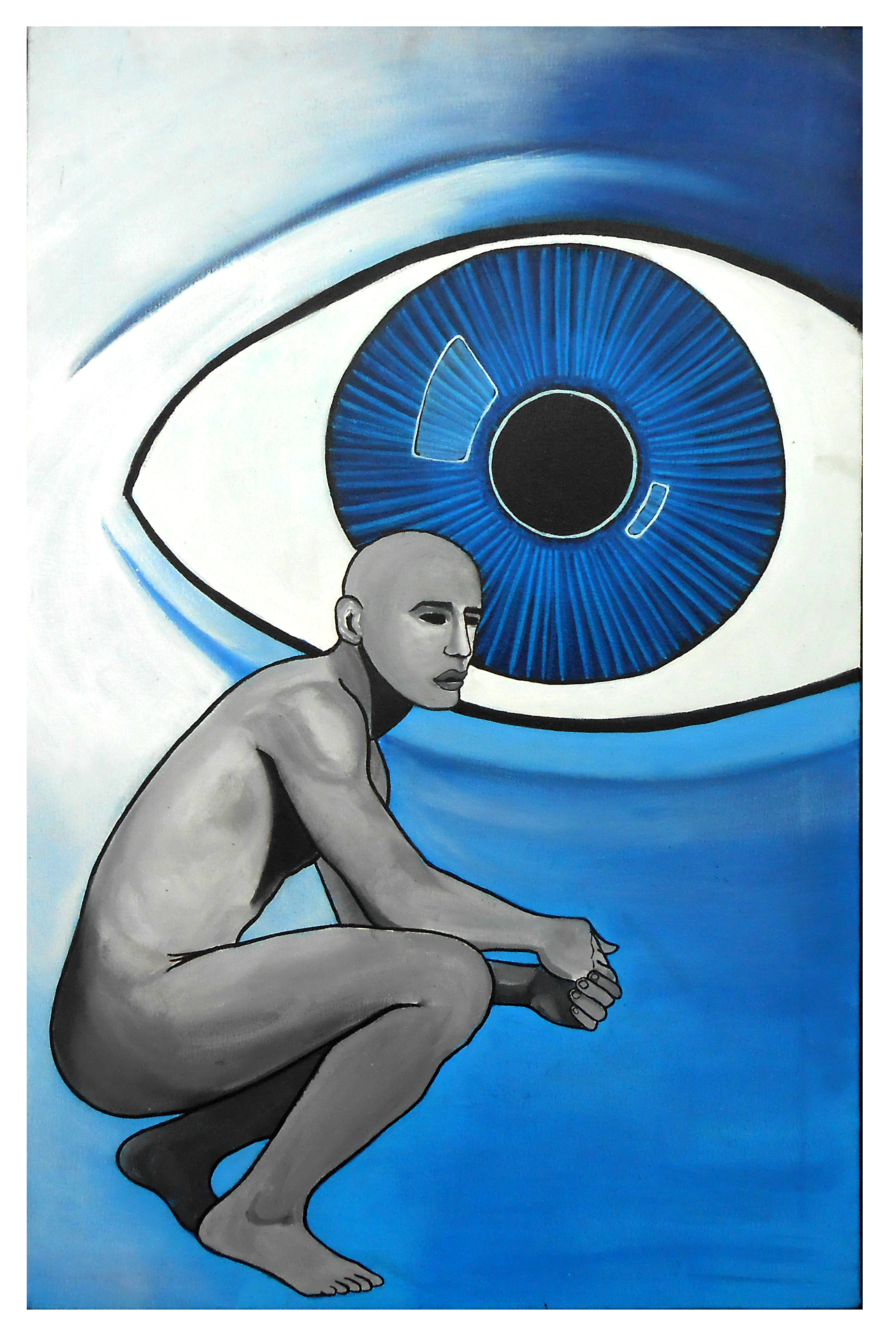
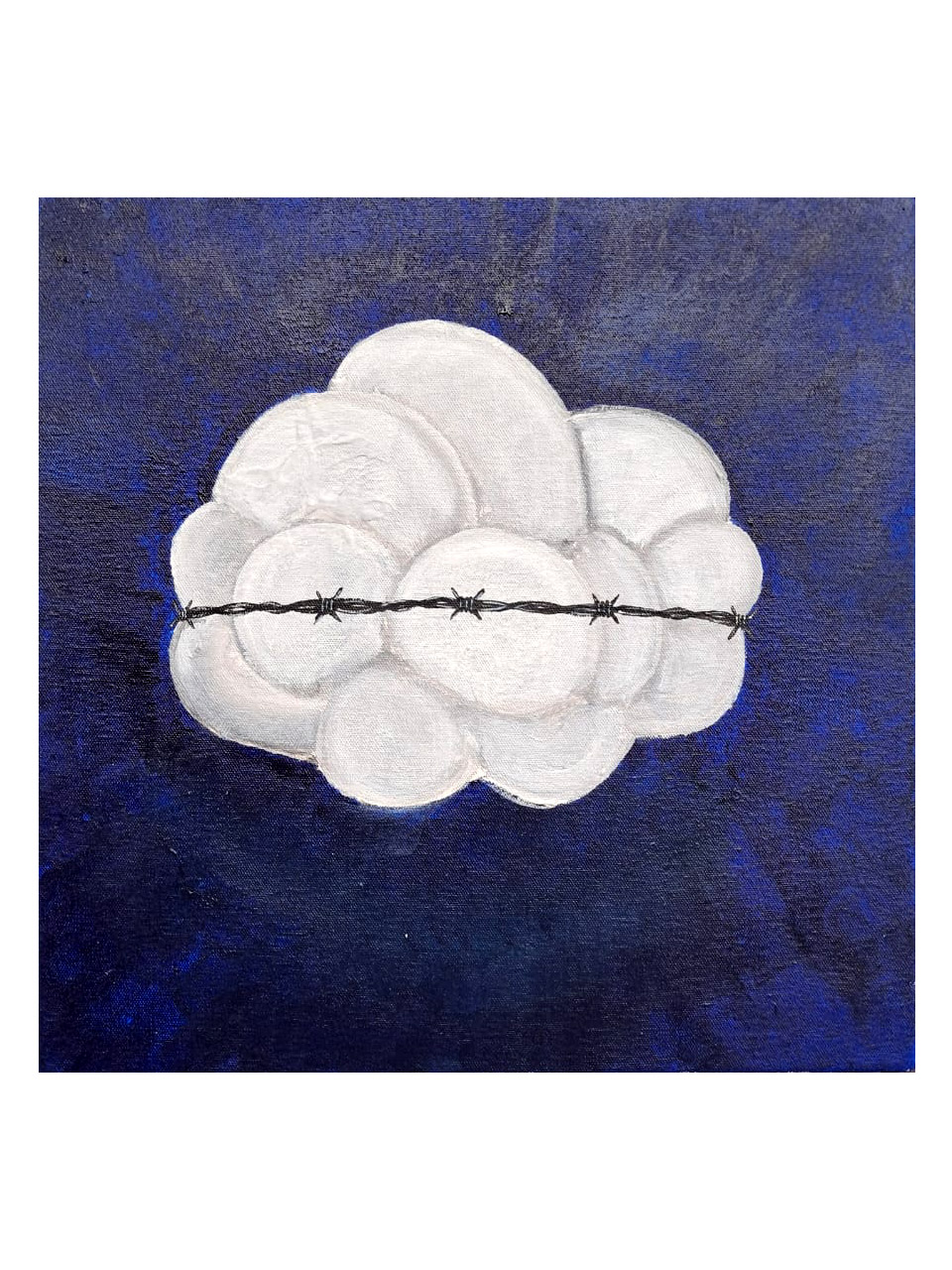
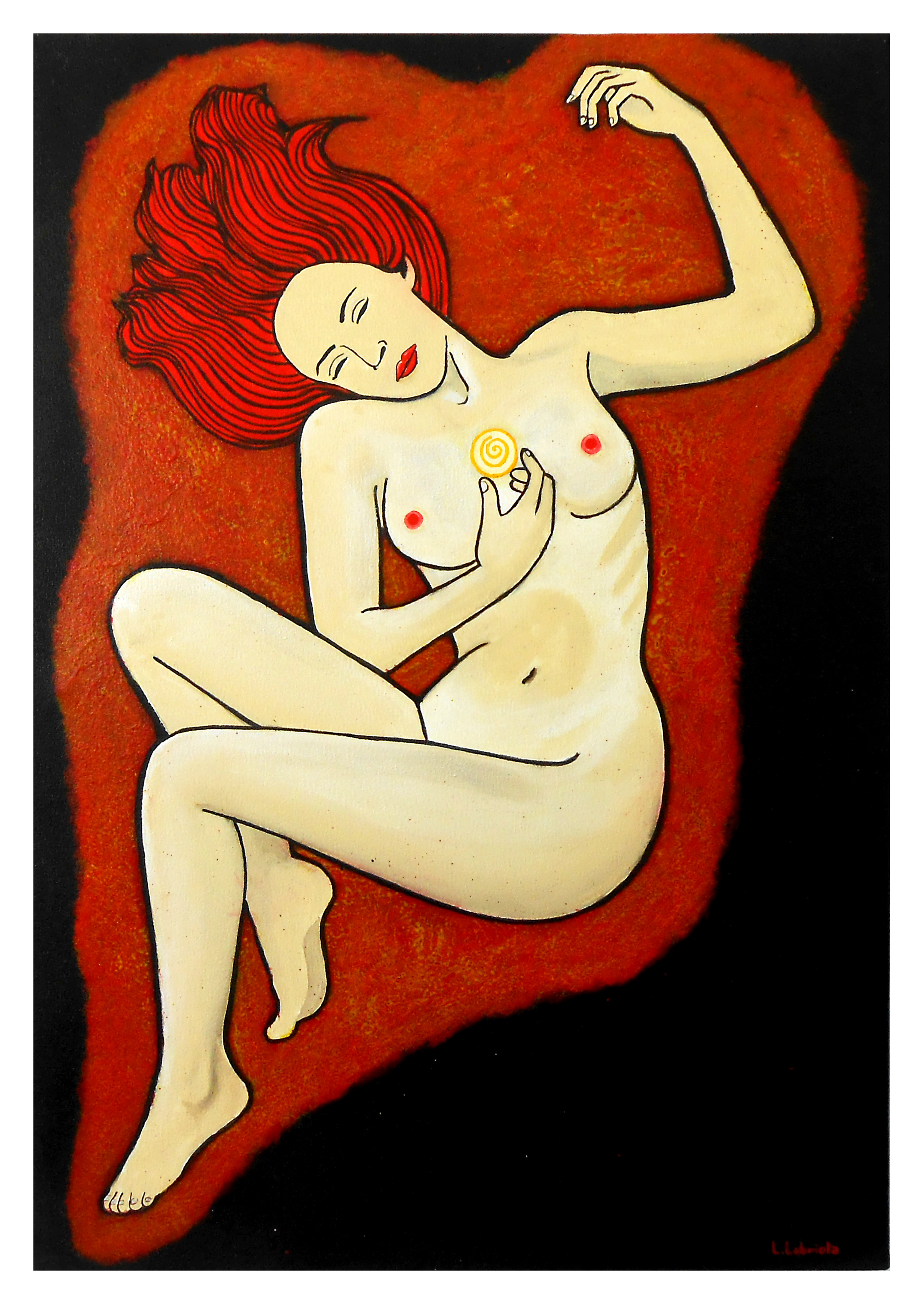
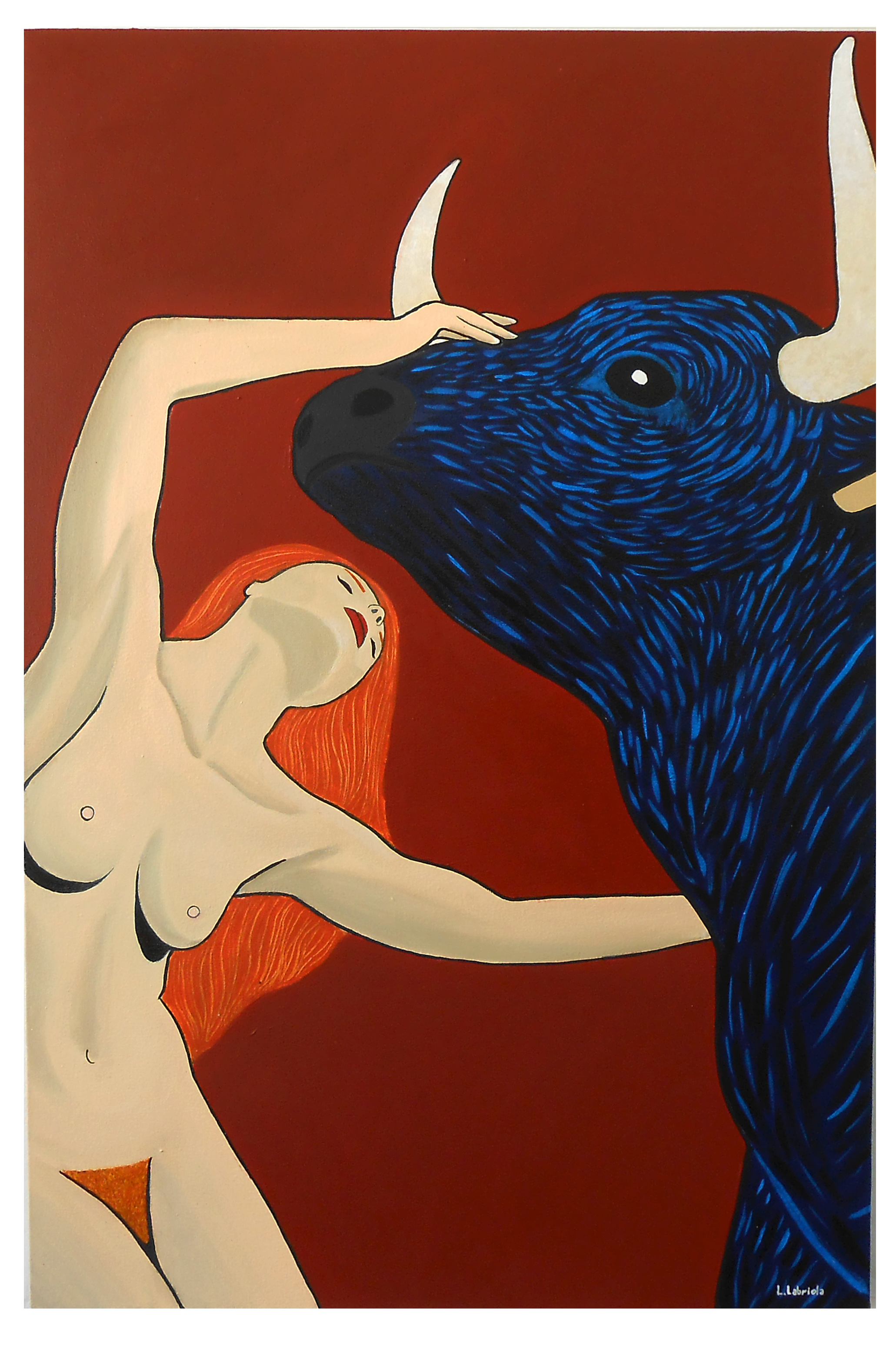
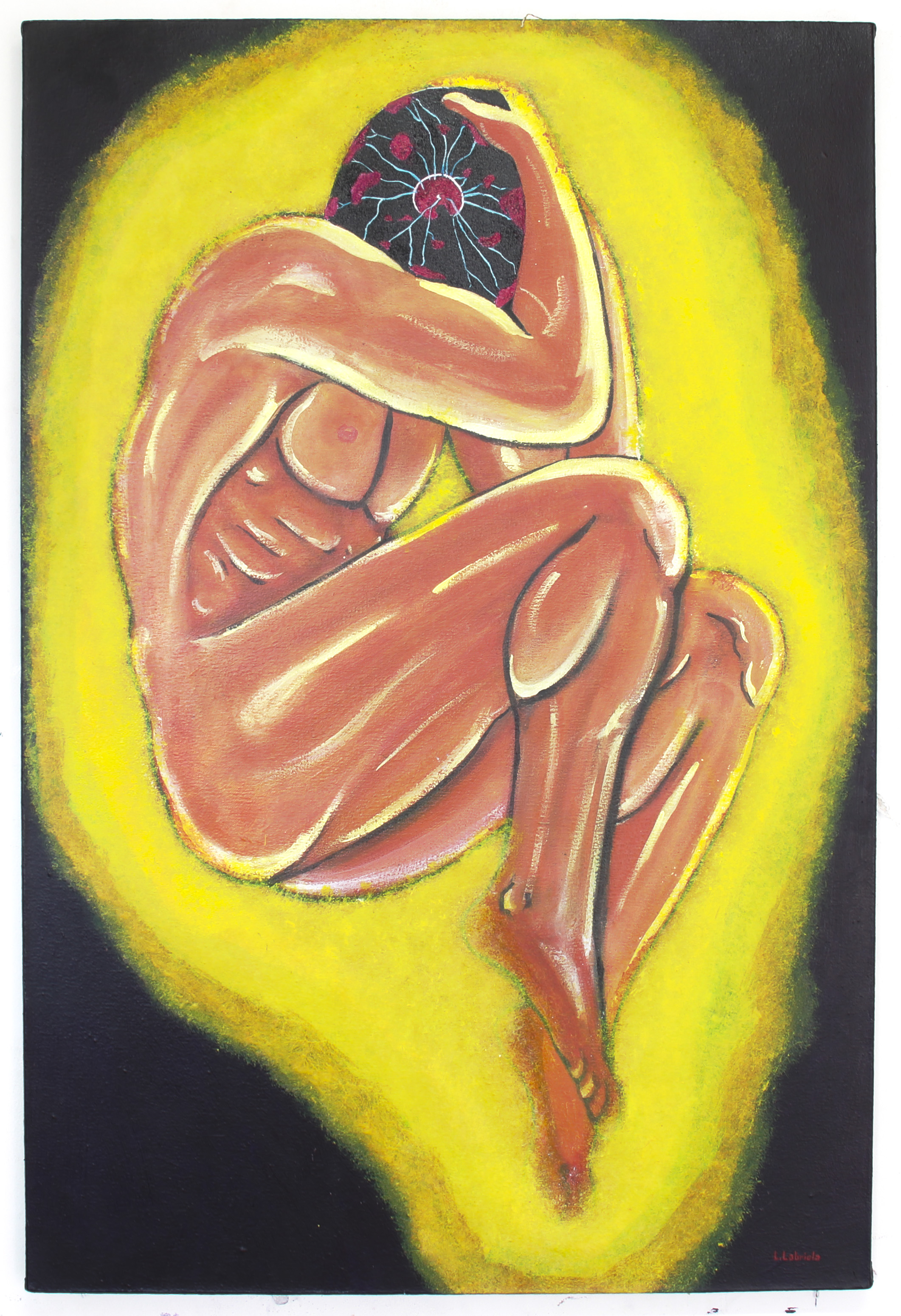
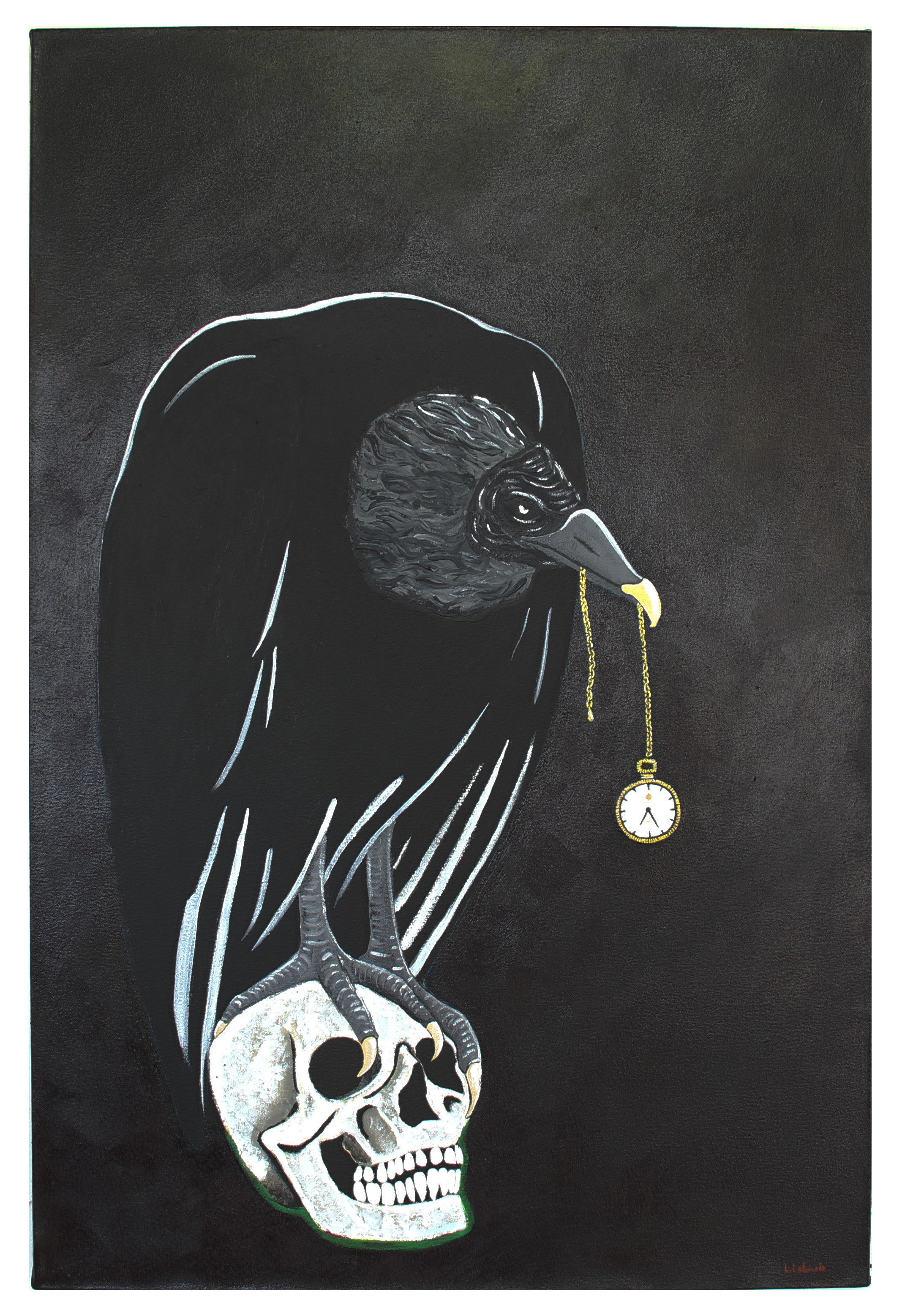
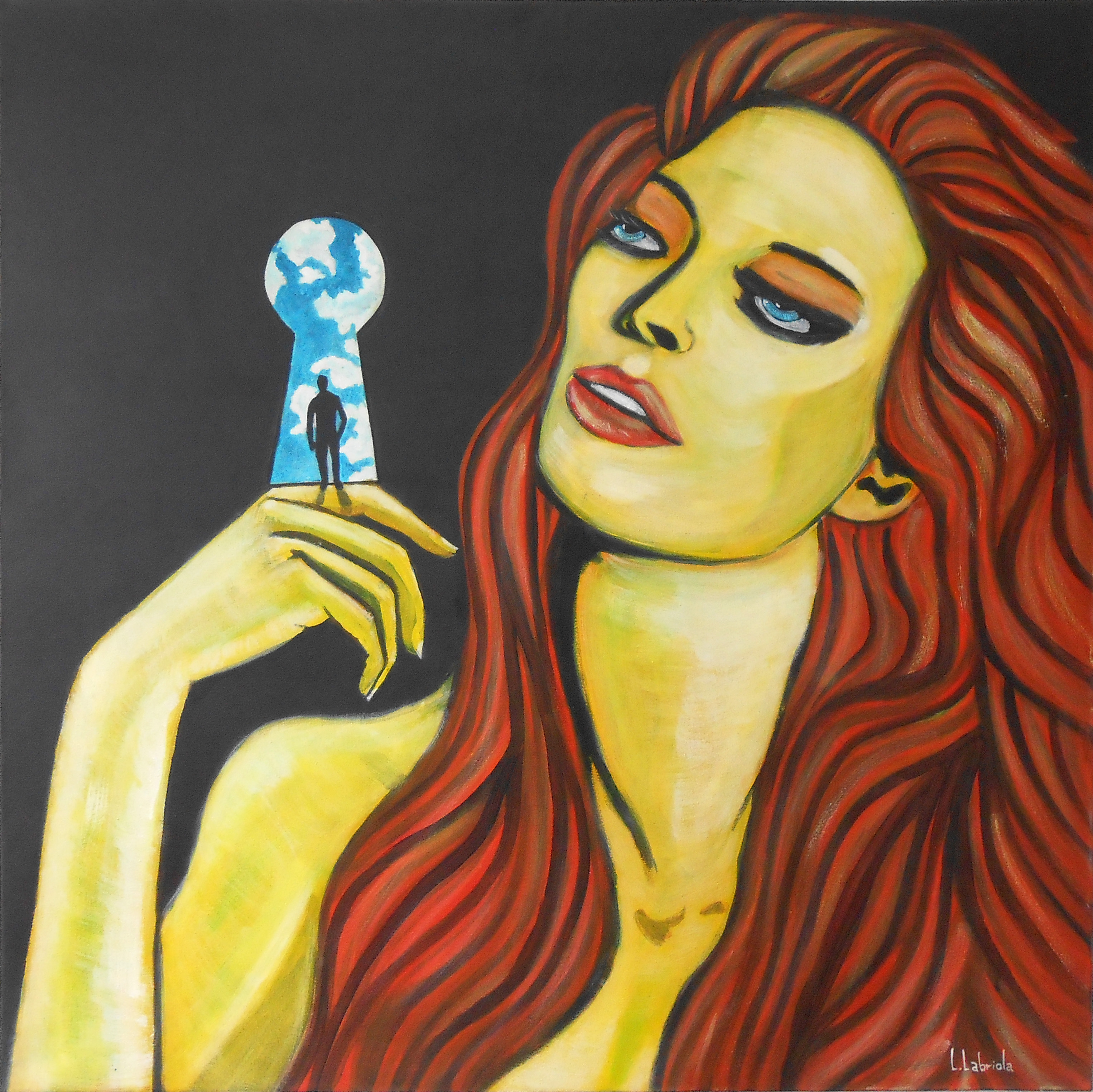
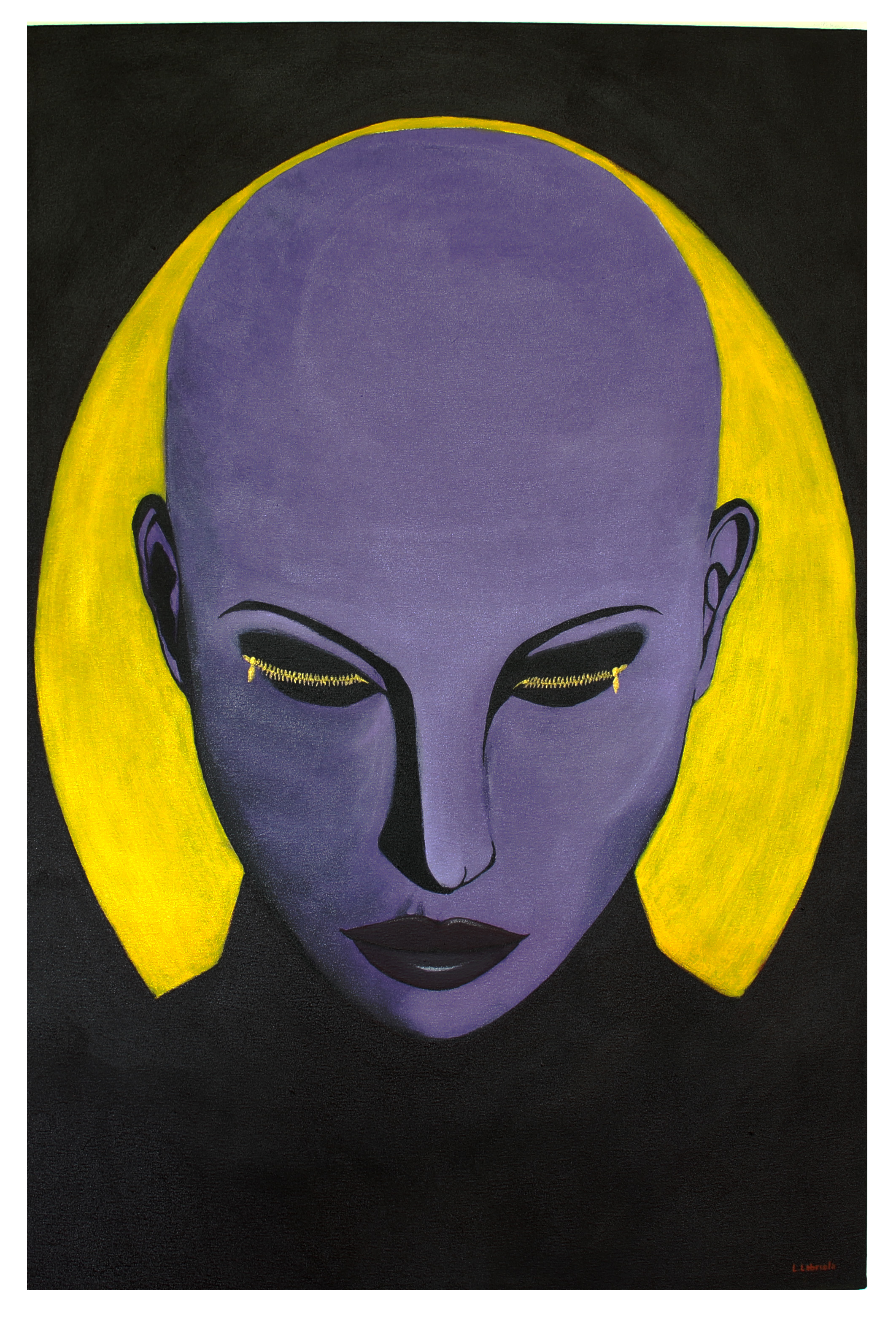
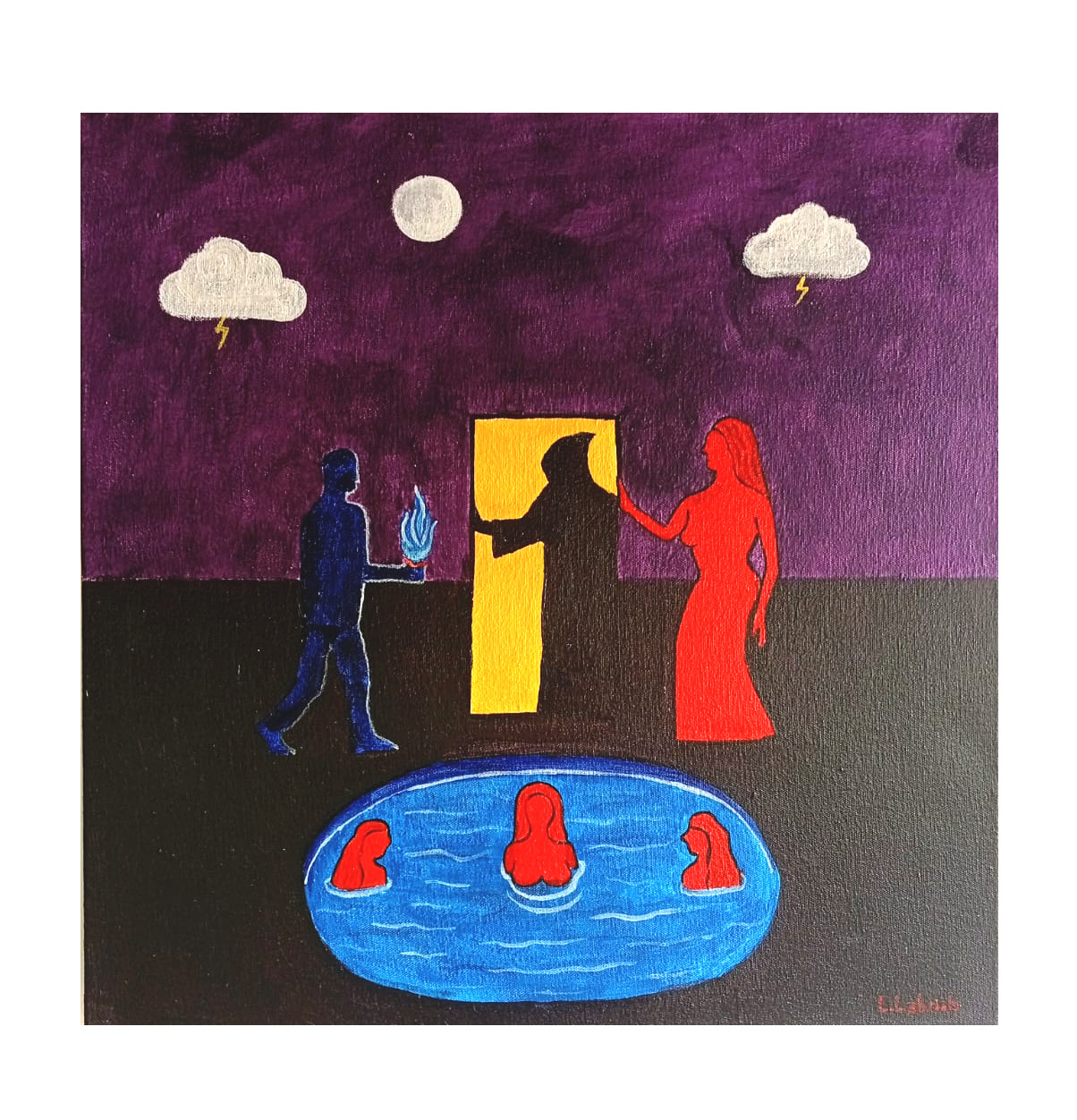
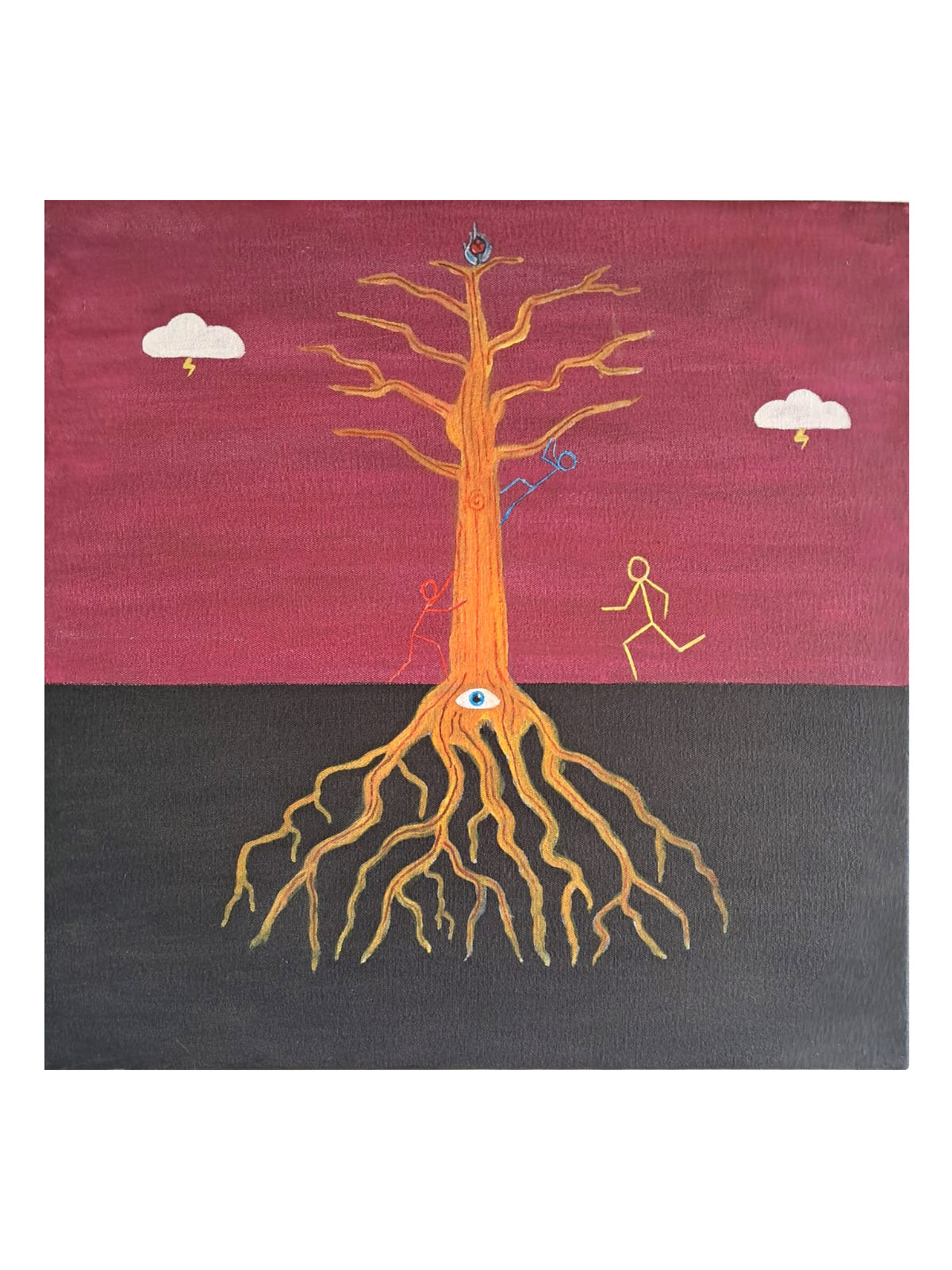
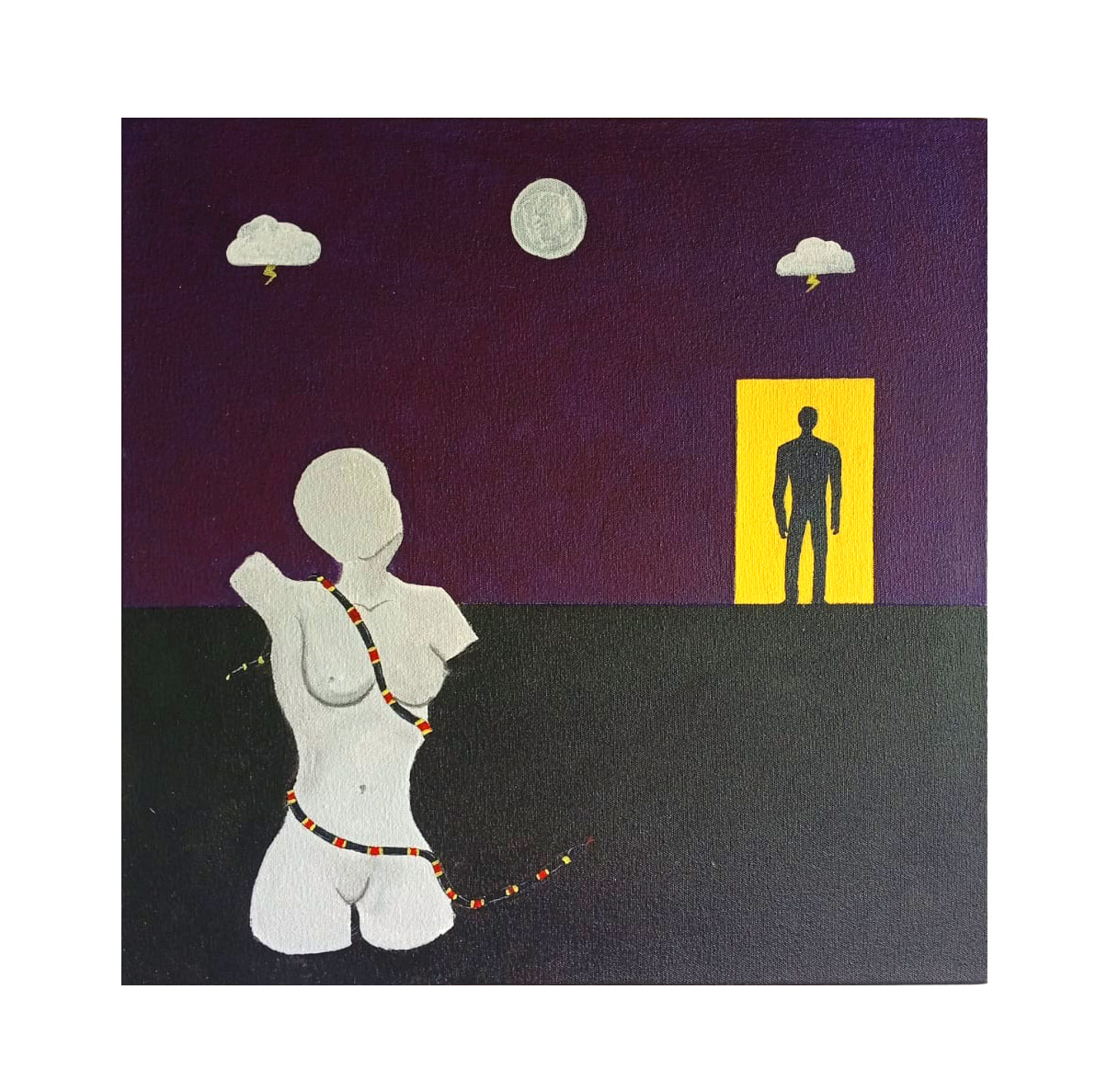
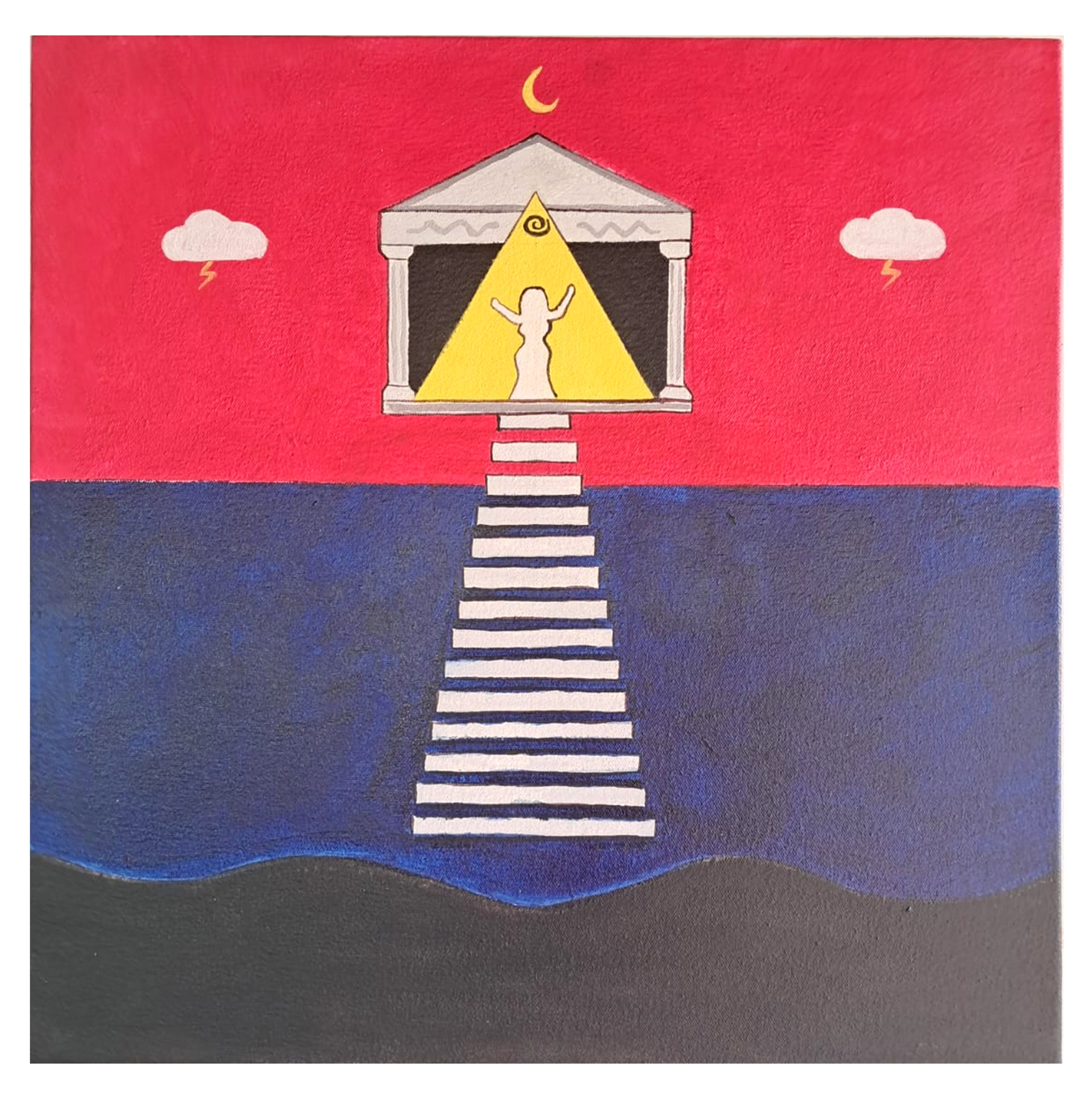
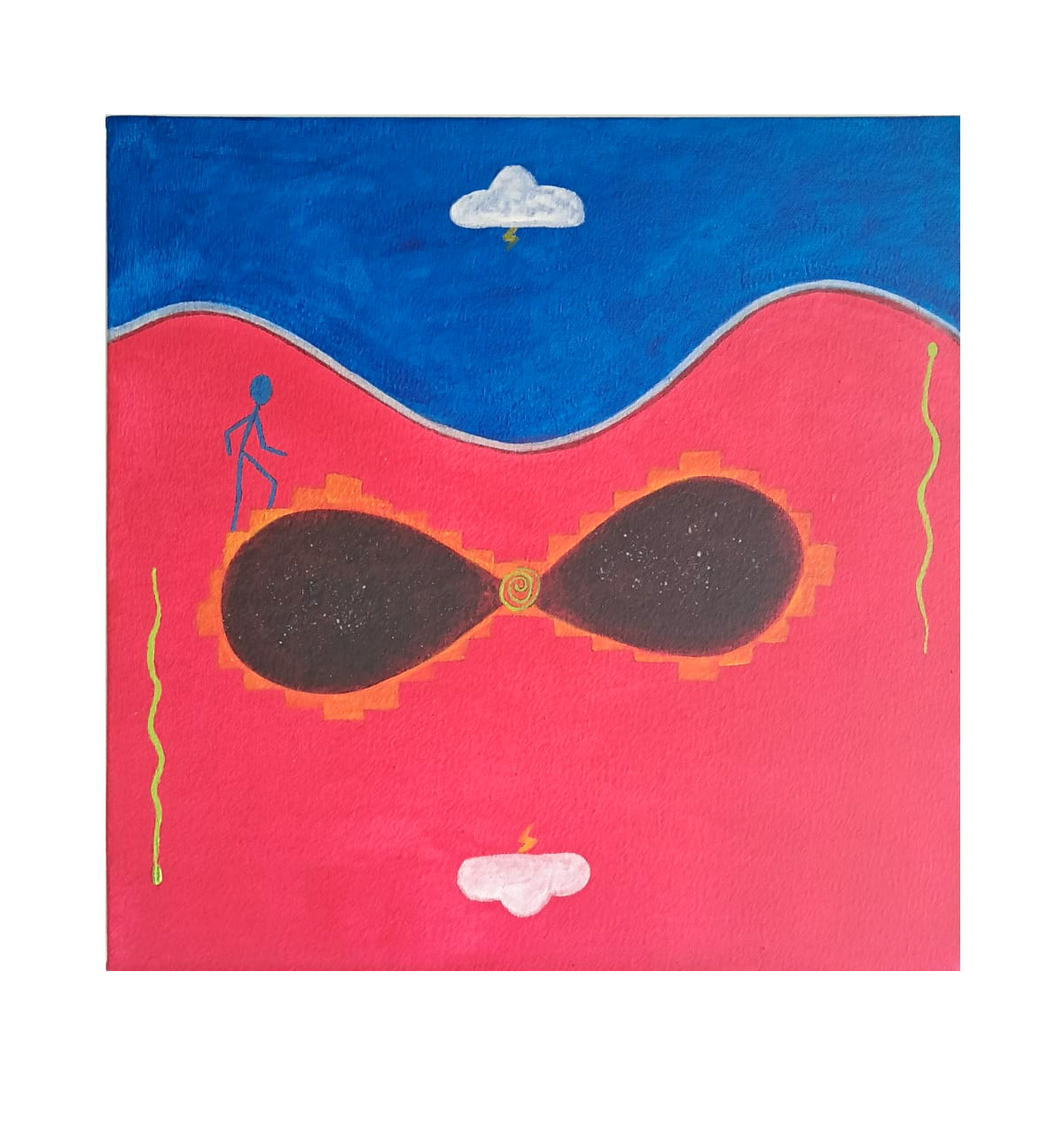
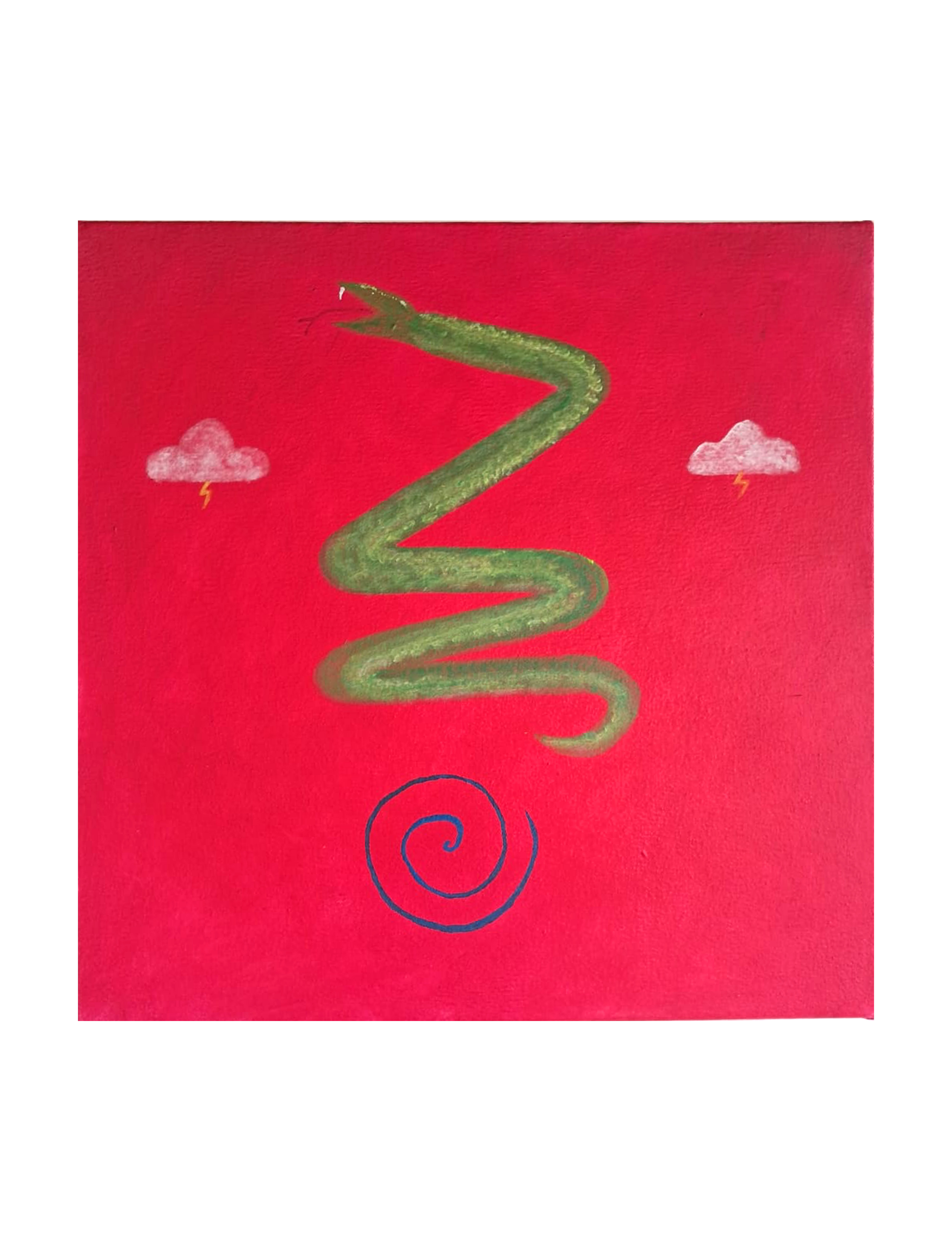
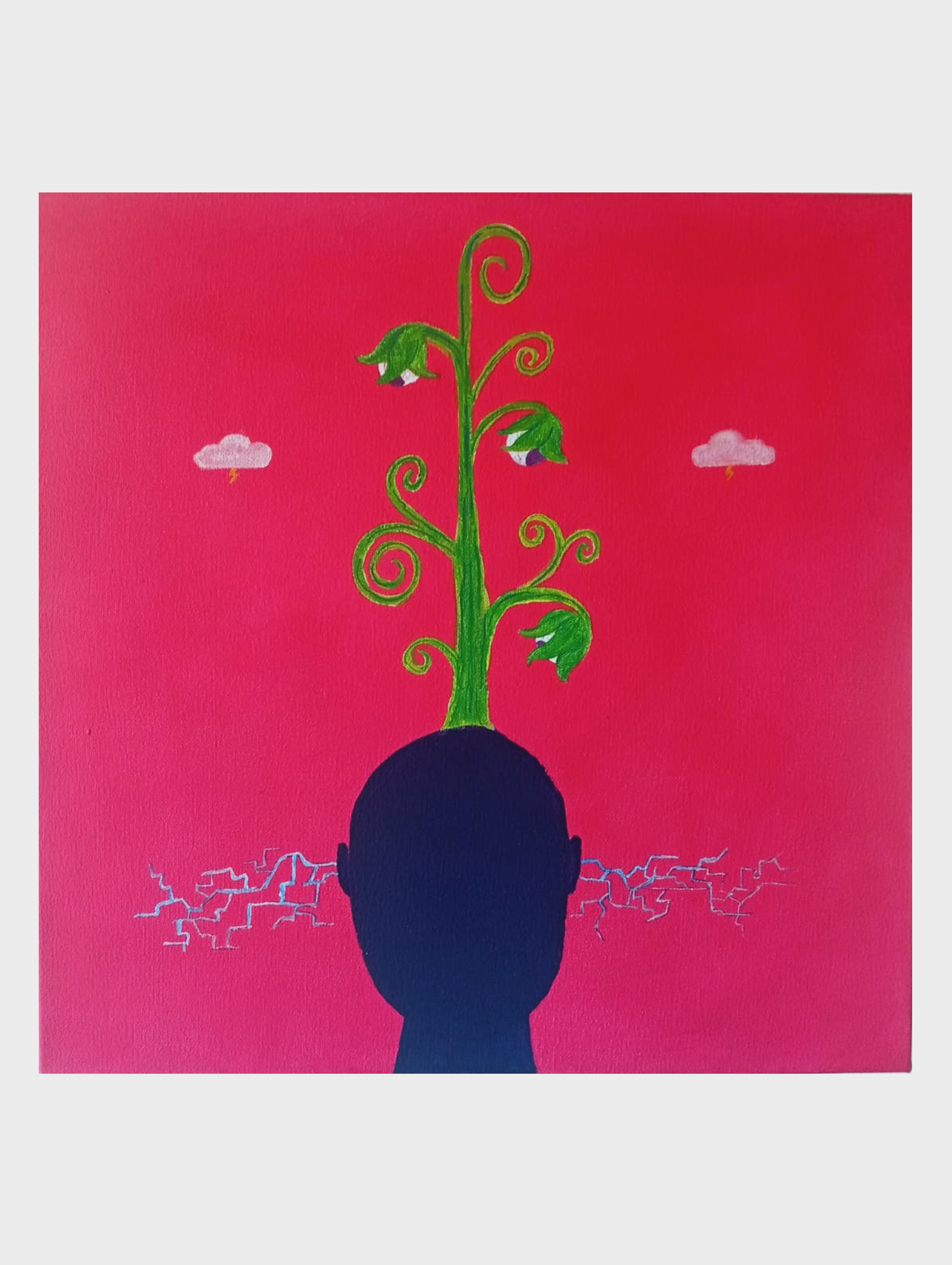
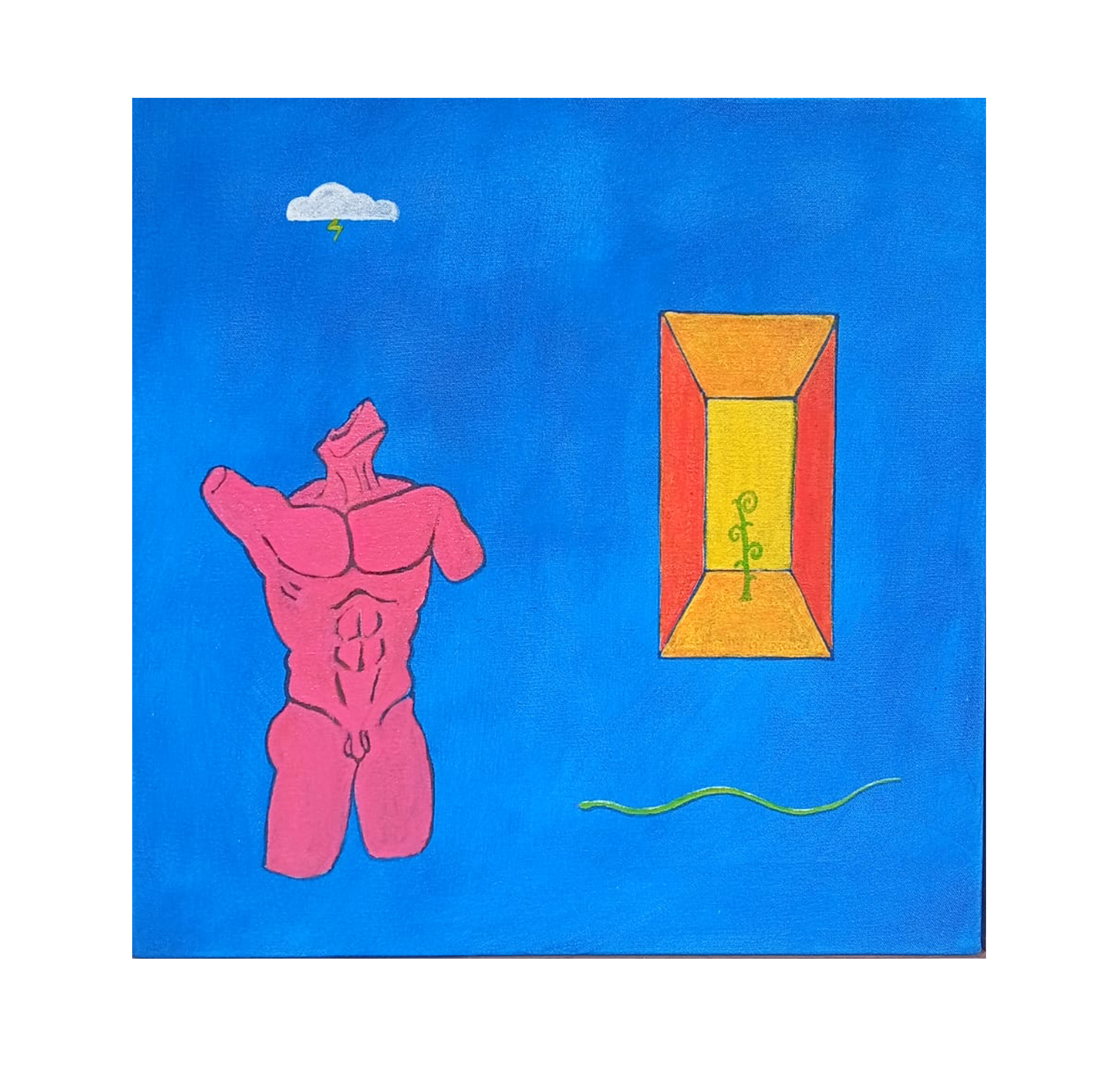
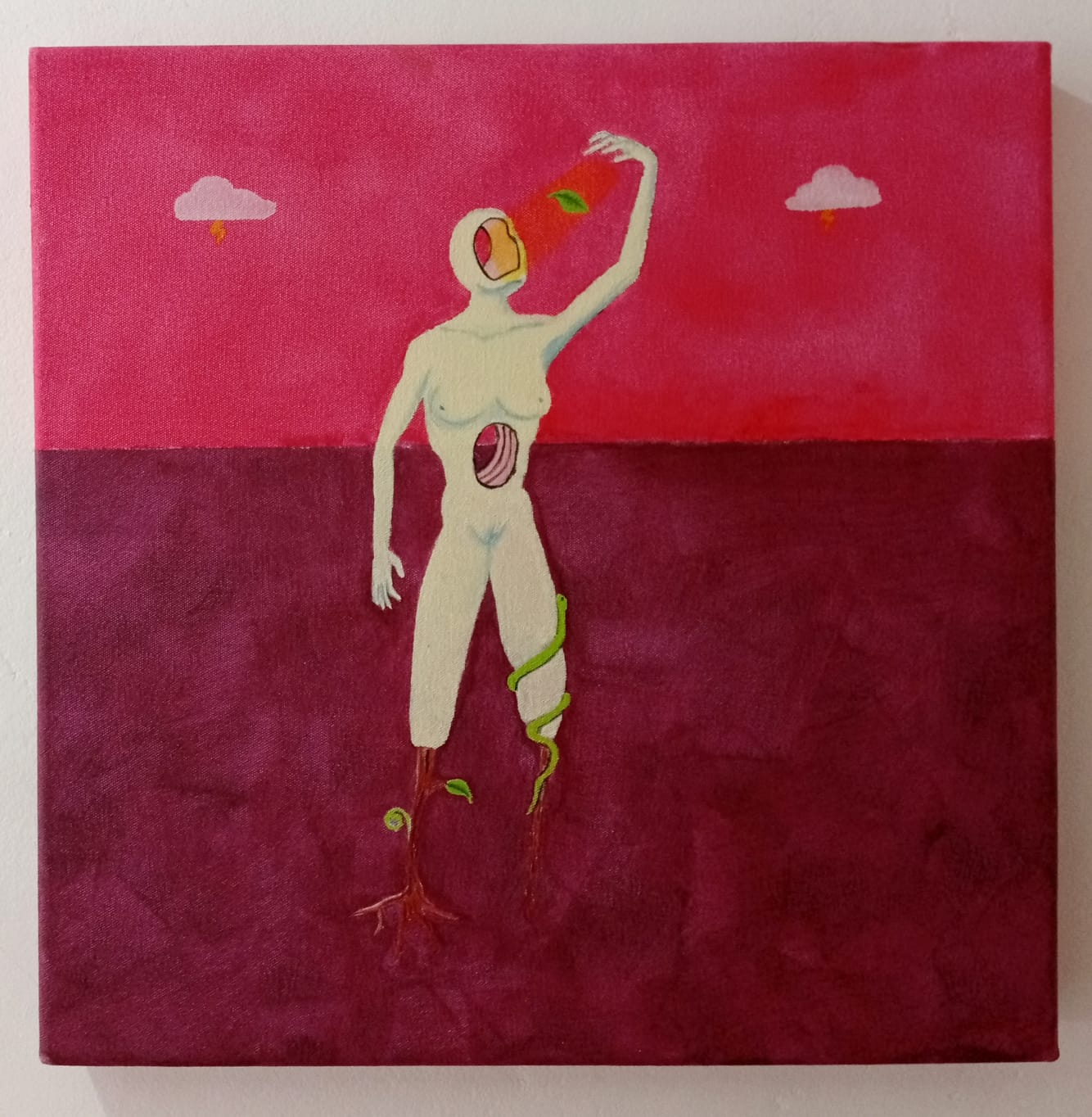
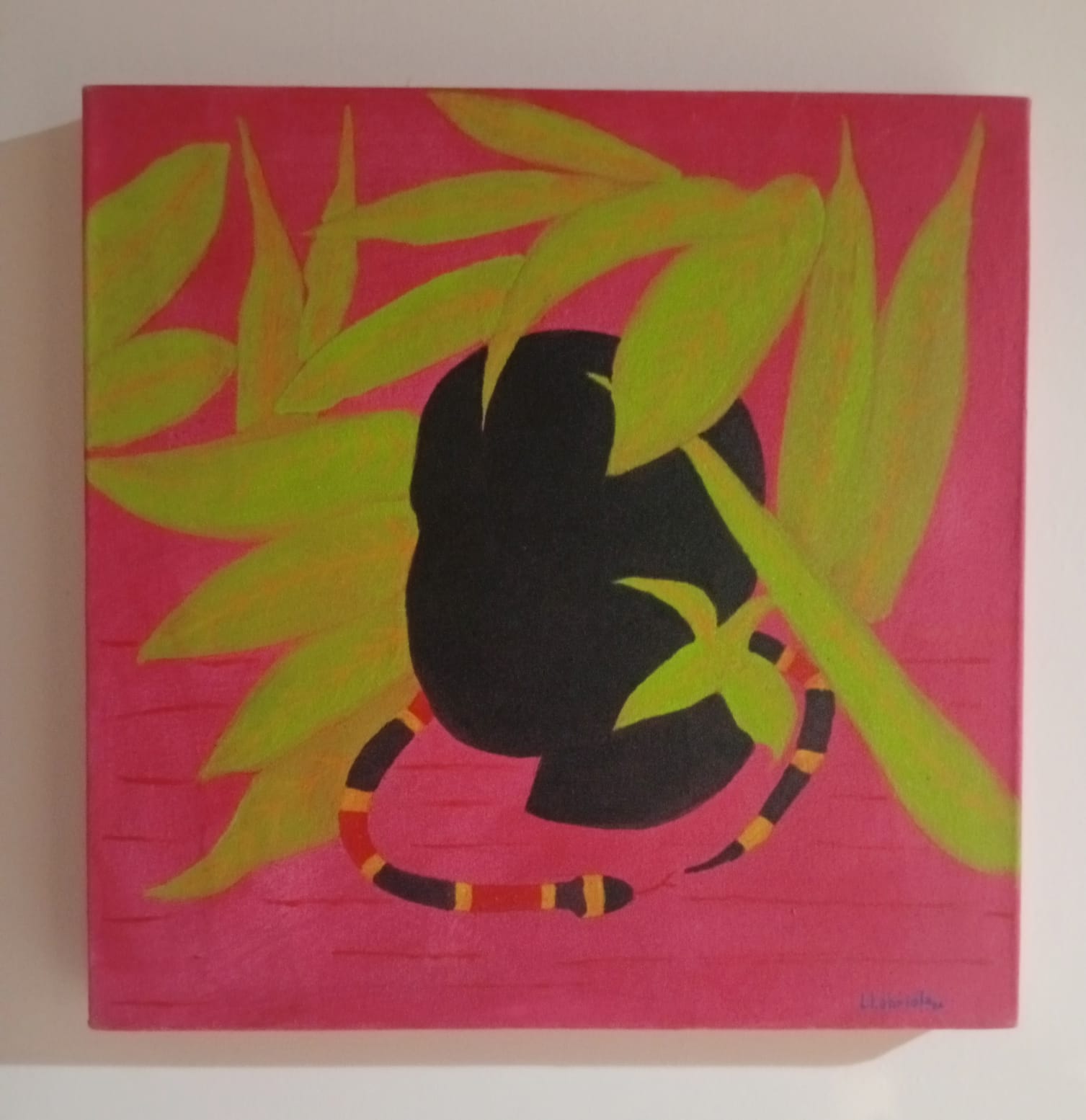

His current body of work, *Treatise of the Serpent*, explores the autonomy and recurrence of images through serpents, spirals, electric clouds, eyes, flowers, trees, and geometric structures. Rather than functioning as fixed symbols, these elements form an open visual vocabulary that changes through repetition, displacement, and encounter. His paintings move between dreamlike emergence and conscious construction, treating the image not as something to be decoded, but as an active presence capable of producing thought.
His research develops a dialogue between art, philosophy, psychology, and education. Drawing especially on James Hillman’s imaginal psychology and the thought of Gilles Deleuze and Félix Guattari, Labriola investigates concepts such as the imaginal field, imaginal mass, recurrence, multiplicity, and the spiral as a nonlinear structure of experience. This research is presented in *Chromatic Echoes: Image and Thought in Treatise of the Serpent*.
He is also the author of *Ontology of Doubt*, an independent philosophical project that examines doubt as a productive condition of knowledge, ethical responsibility, and human transformation. The work explores the relationships between uncertainty, mythology, spirituality, technology, artificial intelligence, memory, and excluded forms of knowledge.
Another ongoing project, *Brazilian Ecology of Conviviality*, investigates how light, shadow, music, hospitality, shared time, and everyday spaces contribute to the formation of what Labriola calls “atmospheric fields of conviviality.” Through this concept, conviviality is understood not merely as an interaction between individuals, but as a collective and sensory atmosphere emerging from bodies, environments, rhythms, and forms of attention.
Across painting, writing, research, and teaching, Leonardo Labriola develops an interdisciplinary practice grounded in the belief that images do not simply illustrate ideas: they generate knowledge, preserve tensions, and open passages toward ways of thinking that cannot be reduced to linear explanation.
Galeria